
Winning at the casino: myths versus reality
Understanding Casino Odds
When it comes to casino games, many players operate under a common misconception that they can beat the odds through specific strategies. However, the reality is that most casino games are designed with a built-in advantage for the house, as highlighted by resources like dynamicmedianetwork.org . This means that, over time, the odds are stacked against the player, making it statistically more likely that they will lose money rather than win. Understanding these odds is crucial for any player who wants to approach gambling with a realistic mindset.
For example, in games like blackjack, while players can employ strategies to reduce the house edge, they can never eliminate it entirely. Similarly, in slot machines, the outcomes are determined by random number generators, making it impossible to predict when a machine might pay out. Players who cling to the belief that they can manipulate these odds often find themselves facing disappointing results. Recognizing that luck and probability govern the games can foster a more balanced approach to gambling.
Furthermore, different games offer varying odds, and understanding the payout percentages and house edge associated with each game can help players make informed decisions. For instance, games like baccarat often have a lower house edge compared to others, which could influence a player’s choice. Thus, acknowledging the mathematical realities behind casino games is essential for responsible gambling and can help mitigate the emotional rollercoaster that often accompanies gambling activities.
The Impact of Superstitions
Superstitions play a significant role in the casino experience for many players. From wearing lucky clothing to avoiding certain numbers, these beliefs can influence how players approach their games. However, the reality is that such superstitions have no real impact on the outcome of gambling activities. Each spin of a slot machine or round of poker is independent and governed entirely by chance, regardless of personal beliefs or rituals.
Many players may insist that they have had success due to their lucky charms or rituals, but statistically, these practices do not change the odds of winning. The belief that luck can play a significant role in gambling outcomes stems from cognitive biases that lead people to remember their winning streaks while forgetting their losses. This skewed perception can encourage players to continue betting based on these false beliefs, potentially leading to greater financial losses.

While it’s perfectly natural to engage in fun superstitions, understanding their limitations is essential to maintaining a healthy gambling mindset. Players should focus more on strategies that are informed by odds and probabilities rather than relying on luck or magic rituals. Such an approach can lead to more realistic expectations and ultimately a more enjoyable gambling experience, free from the burdens of unsubstantiated beliefs.
Chasing Losses: A Dangerous Myth
One of the most pervasive myths in the gambling world is the notion of « chasing losses. » Many players believe that if they’ve lost money, they can win it back by continuing to gamble. This mindset can lead to destructive behavior, as players may increase their bets or play for longer periods in hopes of recouping their losses. The reality, however, is that this approach often exacerbates financial issues, leading to deeper losses and a cycle of desperation.
Gambling is inherently risky, and the more one plays, the more the odds against them increase. When players chase their losses, they often abandon rational decision-making and continue to bet on impulse rather than informed strategies. This behavior can lead to a cycle of gambling addiction, where individuals find themselves in a precarious financial situation, all because they believed they could « get lucky » after a losing streak. It’s crucial to recognize that losses are part of the game and should be treated as such.
Instead of chasing losses, a more effective approach would be to set strict gambling budgets and stick to them. Players should accept that losses are a part of the game and view gambling as a form of entertainment rather than a reliable source of income. By adopting a more disciplined mindset, players can enjoy their gaming experiences without falling into destructive patterns of behavior associated with chasing losses, which can lead to significant emotional distress and financial hardship.
The Role of Skill in Gambling
Another common myth is that all casino games are purely luck-based, ignoring the significant role that skill can play in certain games. While games like slot machines are entirely chance-based, others, such as poker or blackjack, do require a degree of skill and knowledge. Players can utilize strategies and techniques to increase their odds of winning in these games, blending luck with skillful gameplay to create a more dynamic experience.
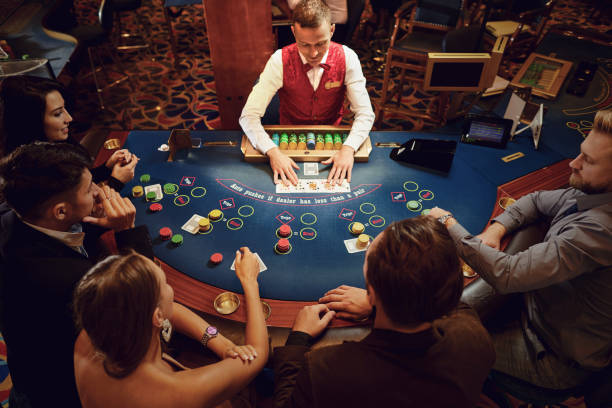
For instance, in poker, understanding the psychology of opponents and employing bluffing techniques can significantly improve one’s chances of winning. Similarly, in blackjack, players can use card counting strategies to gain an advantage over the house. However, it is important to note that while skill can improve odds, it does not guarantee success; therefore, players must balance skill-based tactics with an understanding of the inherent risks involved. Mastery of these skills can set a player apart in competitive environments.
Knowing when to leverage skill versus relying on luck is crucial for any player. Even in skill-based games, the element of chance remains, reminding us that no level of expertise can ensure a win every time. This duality is what makes gambling appealing—both the thrill of luck and the satisfaction of employing skill can create a compelling experience for players. Understanding this balance can enhance the enjoyment and engagement in their gaming sessions, leading to a more fulfilling experience.
Seeking Support and Resources
Given the complexities and myths surrounding gambling, having access to reliable resources and support is essential for players. Numerous organizations offer guidance and assistance to individuals who may struggle with their gambling habits. These resources can help educate players about the realities of gambling, providing them with tools to maintain a healthy relationship with gaming activities and avoid common pitfalls.
Websites dedicated to gambling education often provide insights into responsible betting practices, effective budgeting, and strategies for minimizing losses. Additionally, many casinos themselves have programs designed to promote responsible gambling, allowing players to self-exclude or seek help if they find themselves facing difficulties. Such initiatives are crucial in fostering a safe gambling environment for all players.
Recognizing the importance of support, players should not hesitate to reach out for help or information. Engaging with communities and resources dedicated to gambling awareness can empower individuals to make better choices and understand the realities of casino gaming. Ultimately, knowledge and support can lead to a healthy and enjoyable gambling experience, helping to dispel myths and promote responsible play.